

 Türkçe
 Deutsch
 Svenska
 Norsk
Norsk Русский
Zygomatic Implants in Antalya, Turkey
Overview
When the Upper Jaw Has Too Little Bone
Some people are told they cannot have implants in the upper jaw because there is not enough bone — often after years of wearing a denture, after failed implants, or because the sinuses have expanded. Zygomatic implants were developed for exactly that situation. Instead of relying on the upper jaw, they are anchored in the cheekbone, which keeps its density even when the jaw has shrunk.
They are specialist surgery, and they are not the first choice when a simpler option works. This page explains how they work, who they may suit, the alternatives, and how to ask us whether they are an option for you.
How They Work
Anchored in the Cheekbone
- Longer implants. A zygomatic implant is several times longer than a standard implant. It passes from the upper back jaw into the zygomatic (cheek) bone.
- Usually combined. Typically one zygomatic implant on each side is combined with standard implants at the front. Where the front bone is also very thin, two on each side may be used.
- A fixed full-arch bridge. The implants support a bridge that is screwed in place and does not come out like a denture. In many protocols a fixed temporary bridge is attached within a few days, and the final bridge is made after healing.
- Upper jaw only. Zygomatic implants are used for the upper jaw. Bone loss in the lower jaw is managed differently.
Suitability
Who They May Suit
Zygomatic implants may be considered when
- A CBCT scan shows severe bone loss in the upper jaw.
- You have worn an upper denture for many years and the ridge has flattened.
- Previous bone grafts or implants in the upper jaw have failed.
- Grafting would take a long time or several stages that you want to avoid.
They are usually not the first choice when
- There is enough bone for standard or angled implants, or a sinus lift would do the job.
- Sinus disease is active and untreated — it has to be dealt with first.
- Heavy smoking, uncontrolled diabetes or certain medicines make surgery riskier. These are assessed individually.
Alternatives
The Options to Compare
A good plan explains why zygomatic implants are — or are not — better than these alternatives in your case.
Sinus lift and bone graft
Then standard implants
- Suits
- Moderate bone loss in the upper back jaw
- Trade-off
- Months of healing, often an extra visit
- More
- Bone graft and sinus lift
All-on-4 with angled implants
Uses the bone you have
- Suits
- Reduced bone where angled implants can still reach good bone
- Trade-off
- Not possible when the remaining bone is very thin
- More
- All-on-4 and All-on-6
A removable denture
No surgery
- Suits
- When surgery is not wanted or not advisable
- Trade-off
- Removable, and bone loss continues
- More
- Dentures
Assessment
What We Need to Give You an Honest Answer
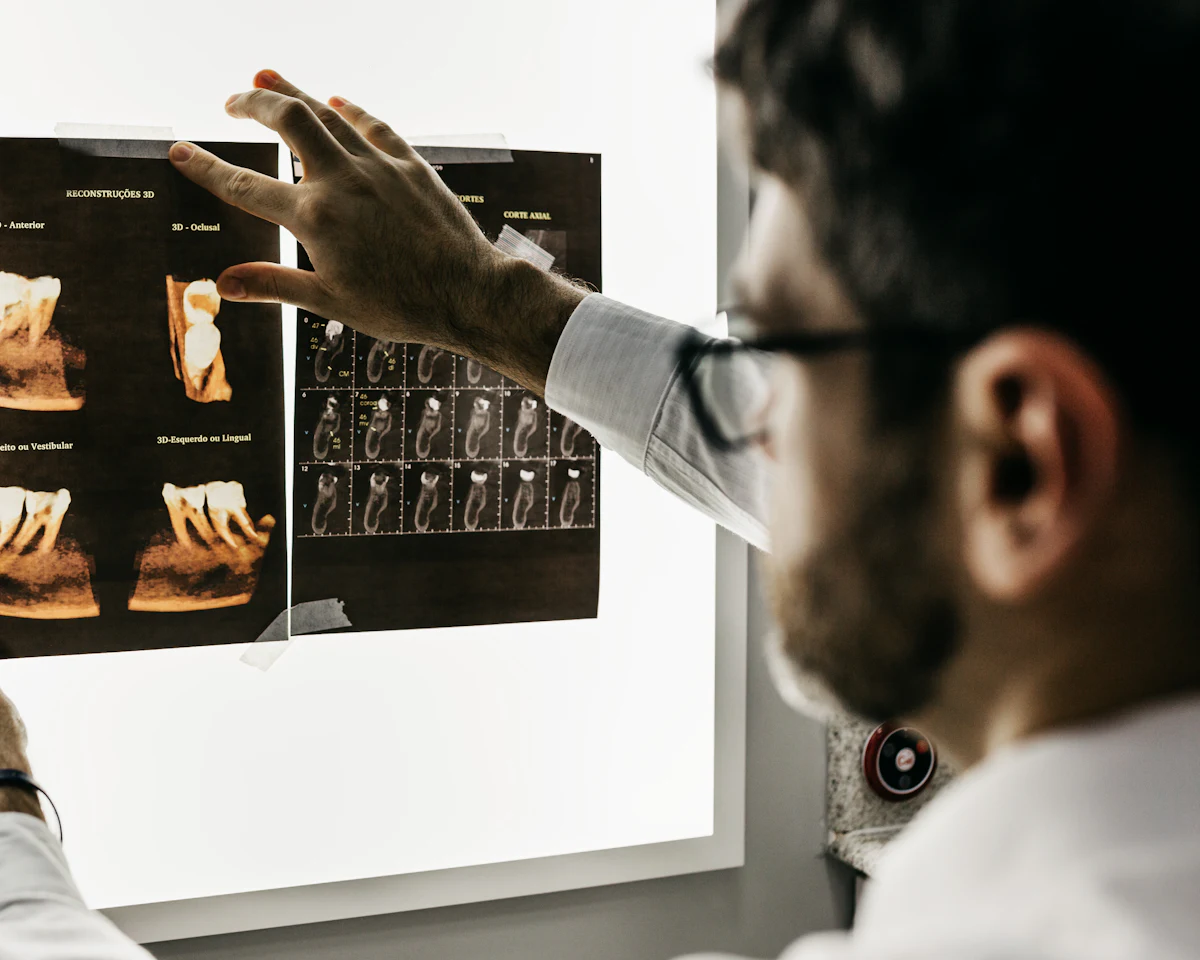
- A CBCT 3D scan of the upper jaw. A panoramic X-ray is enough to start the conversation, but the decision needs 3D measurements.
- Your medical history, including medicines, sinus problems, smoking and diabetes.
- A few photos of your smile and of your current denture or teeth.
From that we can tell you whether zygomatic implants are likely to be needed, whether a simpler option would work, how treatment would be arranged, how many visits it would take and which type of anaesthesia or sedation would be involved.
Ask Us
Send Us Your Scan
Ask us whether zygomatic implants are an option for you
Zygomatic treatment is planned and quoted individually. Send your CBCT scan or panoramic X-ray on WhatsApp, with a few words about your situation. We will tell you honestly whether zygomatic implants are an option, what the alternatives are and how treatment would be arranged — before you book anything.
Honest Answers
Worth Knowing Before You Decide
The risks and trade-offs
- It is more complex surgery. Zygomatic implants are usually placed under sedation or general anaesthesia, and recovery takes longer than for standard implants.
- There are specific risks. They include sinus infection, irritation of the gum around the implant heads and numbness, and — rarely — more serious problems close to the eye socket. Careful 3D planning and an experienced surgical team are essential.
- Problems are harder to fix. If a zygomatic implant fails, repairing the situation is more involved than replacing a standard implant.
- Cleaning is for life. A fixed full-arch bridge needs daily cleaning underneath and regular hygiene visits.
- Be wary of quotes without a scan. No one can tell you that you need zygomatic implants — or what they will cost — without seeing 3D images of your jaw.
FAQ
Frequently Asked Questions
-
What are zygomatic implants?
Longer dental implants anchored in the cheekbone (the zygomatic bone) instead of the upper jaw. They are used when the upper jaw has too little bone for standard implants, usually to support a fixed full-arch bridge.
-
Am I a candidate for zygomatic implants?
Possibly, if a CBCT scan shows severe bone loss in the upper jaw and grafting or standard implants are not a good option. Only a 3D scan and an examination can tell — send us yours and we will review it.
-
Do you offer zygomatic implants at Betadent?
Zygomatic cases are assessed individually. Send us your CBCT scan or panoramic X-ray on WhatsApp and we will tell you honestly whether zygomatic implants are an option for you, what the alternatives are and how treatment would be arranged.
-
How much do zygomatic implants cost in Turkey?
Zygomatic treatment is planned and quoted individually after a scan review, because the number of implants and the type of bridge vary from case to case. Ask us for a written quote. For comparison, our standard All-on-4 starts at £2,400 for both jaws with temporary teeth, with the zirconia bridge priced separately.
-
Are zygomatic implants painful?
The surgery is usually done under sedation or general anaesthesia. Swelling and bruising for about a week are common afterwards, and some people have a nosebleed or sinus congestion at first.
-
Can I have fixed teeth straight away?
In many zygomatic protocols a fixed temporary bridge is attached within a few days of surgery, with the final bridge made after healing. Whether this applies to you depends on how stable the implants are at surgery.
-
How long does zygomatic treatment take?
Plan for two visits: surgery and a temporary bridge first, then the final bridge after several months of healing. The exact timing is set out in your plan.
Send us your X-ray and we will tell you where you stand
A dentist reviews it and you get a written plan. No charge, no deposit, and no obligation to travel.