

 Türkçe
 Deutsch
 Svenska
 Norsk
Norsk Русский
 Español
 Français
Things to Know About Wisdom Teeth
Medically reviewed by Dt. Şerife Kalken, dentist and founder · October 2026
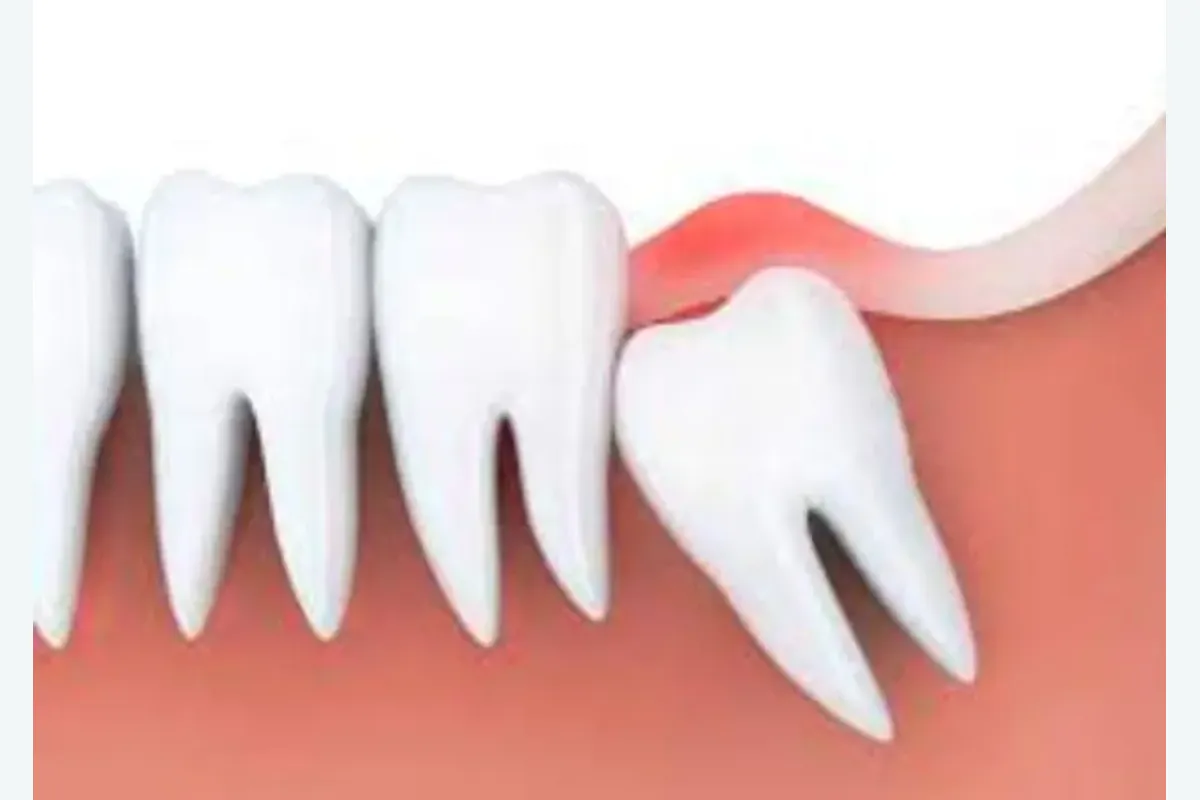
Things to Know About Wisdom Teeth
Wisdom teeth — the third molars — are the last teeth to arrive, usually between the ages of 17 and 25. Some people never develop them at all, which is entirely normal. Others have four that come through cleanly and cause no trouble for a lifetime.
The difficulty is that the modern jaw is often too small for them. When there is not enough room, the tooth cannot erupt into a normal position and becomes impacted: stuck against the tooth in front, angled sideways, or still buried in bone.
Signs a wisdom tooth is causing trouble
- Pain or pressure at the very back of the jaw, sometimes spreading to the ear or temple.
- Swollen, tender gum over a partly erupted tooth — a flap of tissue that traps food and becomes infected. This is called pericoronitis and it tends to recur.
- A bad taste or smell that does not clear with brushing.
- Difficulty opening the mouth fully, or pain on swallowing.
- Decay in the tooth in front, where the wisdom tooth presses against it and makes cleaning impossible.
Do they always need removing?
No, and this is worth saying plainly: a wisdom tooth that has erupted fully, meets the opposing tooth properly and can be cleaned should be left alone. Extraction is surgery, and surgery without a reason is not good dentistry.
Removal is usually recommended when there is repeated infection, decay in the wisdom tooth or the molar next to it, a cyst forming around a buried tooth, damage to the neighbouring root, or when the tooth cannot be kept clean and the problem keeps returning. The decision needs an X-ray — usually a panoramic view, sometimes a CT scan where the roots sit close to the nerve in the lower jaw.
What the procedure involves
Most wisdom teeth are removed under local anaesthetic in a single appointment. A fully erupted tooth may come out much like any other extraction. An impacted one requires a small incision in the gum, sometimes removal of a little bone, and the tooth is often sectioned into pieces so it can be lifted out through a smaller opening — which sounds worse than it is, and generally means less trauma and faster healing. Stitches may or may not be needed. See impacted tooth extraction for the surgical detail.
Recovery, honestly
- Days 1–3: swelling peaks around day two, then settles. Cold packs help in the first 24 hours. Expect some difficulty opening wide.
- Days 3–7: most people are comfortable and back to normal eating on the other side.
- Bruising along the jawline is common after lower extractions and is not a complication.
The things that matter most: do not smoke, do not rinse forcefully or use a straw for the first 24 hours, and keep the area clean afterwards with gentle salt-water rinses. Dislodging the blood clot causes a dry socket — a painful, exposed socket that appears around day three and needs a dressing. Smoking is by far the biggest risk factor.
Contact the clinic if pain increases after day three rather than easing, if swelling returns after settling, or if you develop a fever.
Frequently Asked Questions
Do wisdom teeth always have to be removed?
No. A wisdom tooth that has erupted fully, bites against the opposing tooth properly and can be kept clean should be left alone. Removal is recommended when there is repeated infection, decay in the wisdom tooth or the molar in front, a cyst around a buried tooth, or damage to the neighbouring root. The decision requires an X-ray rather than symptoms alone.
How long does it take to recover from wisdom tooth removal?
Swelling usually peaks around day two and settles from there, with most people comfortable and eating normally by day five to seven. Bruising along the jawline after lower extractions is common and not a complication. Pain that increases after day three, rather than easing, should be reported to the clinic.
What is dry socket and how do I avoid it?
Dry socket is a painful condition where the blood clot protecting the socket is lost, exposing bone, and it typically appears around day three. Avoid it by not smoking, not rinsing forcefully or using a straw for the first 24 hours, and keeping the area clean with gentle salt-water rinses afterwards. Smoking is by far the largest risk factor.
Is impacted wisdom tooth removal painful?
The procedure itself is carried out under local anaesthetic, so it is not painful at the time. Afterwards there is soreness and swelling for a few days, controlled with prescribed painkillers and cold packs. Impacted teeth are often sectioned into pieces so they can be removed through a smaller opening, which generally means less trauma and faster healing.
Send us your X-ray and we will tell you where you stand
A dentist reviews it and you get a written plan. No charge, no deposit, and no obligation to travel.