

 Türkçe
 Deutsch
 Svenska
 Norsk
Norsk Русский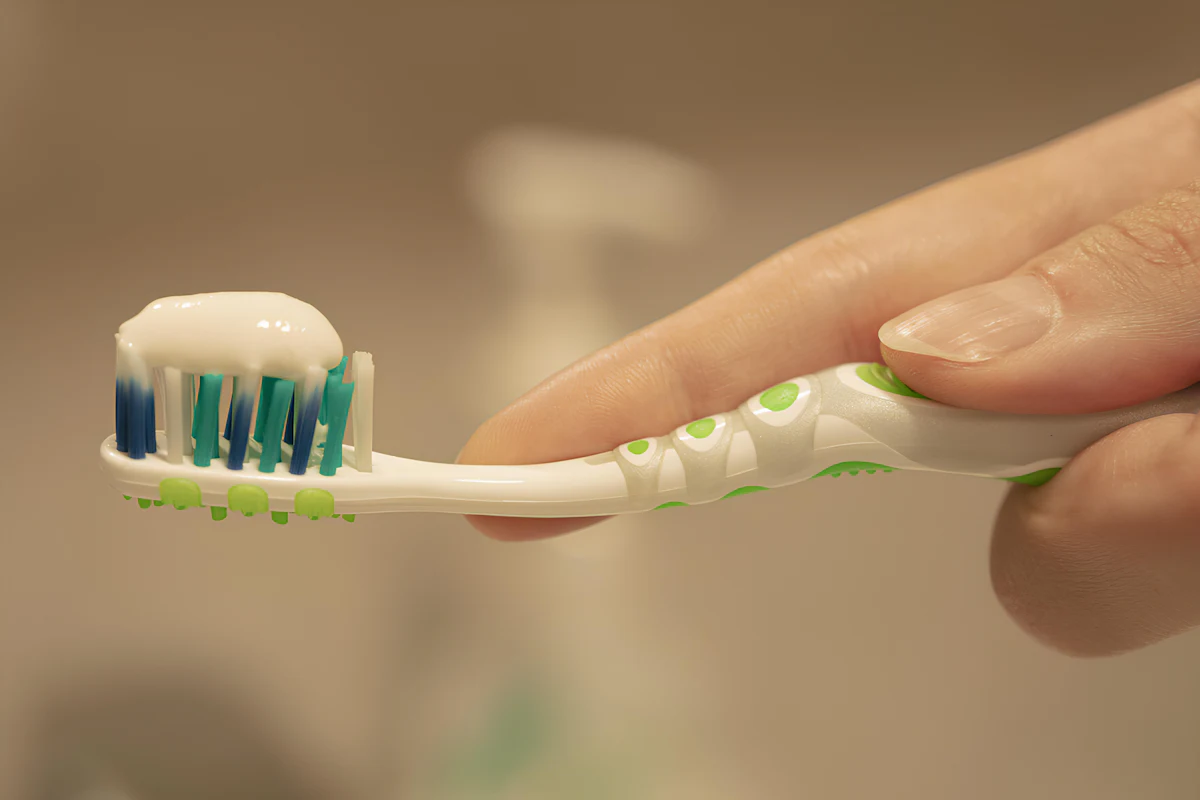
How Should Oral Hygiene Be?
Almost everyone brushes. Rather fewer clean between their teeth, and that gap explains most of the gum disease and a good share of the decay that dentists see. A toothbrush reaches roughly three of the five surfaces of a tooth. The two it cannot reach are where problems usually begin.
Brushing properly
- Twice a day, two minutes. Most people substantially overestimate how long they brush; timing it once is revealing.
- Use a soft brush. Hard bristles do not clean better — they abrade enamel at the neck of the tooth and push gums into recession.
- Angle the bristles at 45 degrees towards the gum line and use small circular movements. Scrubbing back and forth along the teeth causes wear notches over years.
- Do not rinse afterwards. Spit out the excess and leave the fluoride on the teeth. Rinsing with water removes the very thing that protects them.
- Wait after acidic food or drink. Enamel is softened for a while after citrus, wine or fizzy drinks; brushing immediately scrubs away softened surface. Wait about an hour.
- Change the brush every three months, or sooner once the bristles splay.
Electric brushes, particularly oscillating-rotating types, remove more plaque than manual brushing for most people, largely because they impose a consistent technique and a timer.
Cleaning between the teeth
This is the step that changes outcomes, and it should be done once a day.
- Interdental brushes are more effective than floss wherever the gaps are large enough to take one. Size matters: it should pass with slight resistance, not force.
- Floss is for tight contacts where a brush will not fit. Curve it around each tooth in a C shape and move it under the gum edge, rather than snapping it straight down.
- Water flossers are a useful addition, especially around implants, bridges and braces, but they are not a full replacement for physical cleaning between teeth.
Bleeding when you start is common and is a sign of existing inflammation, not of damage. It usually settles within one to two weeks of daily cleaning. If it does not, see gum recession and periodontitis.
Mouthwash: useful, but not a shortcut
A fluoride mouthwash adds protection, but use it at a different time from brushing — rinsing straight afterwards dilutes the stronger fluoride in your toothpaste. Antiseptic chlorhexidine rinses are prescribed for short courses after surgery or for acute gum problems; they stain teeth with prolonged use and are not intended for daily long-term use.
The tongue and dry mouth
Most bad breath originates from bacteria on the back of the tongue. A gentle sweep with a tongue scraper or the brush does more for it than mouthwash, which mainly masks the smell. Saliva is the mouth's own defence, so a persistently dry mouth — from medication, mouth-breathing or dehydration — sharply raises decay risk. Water, sugar-free gum after meals to stimulate flow, and a word with your dentist about high-fluoride toothpaste all help.
What professional cleaning adds
Plaque that is not removed hardens into calculus within days, and once hardened no brushing will shift it. It has to be removed with instruments — see dental scaling. For most people a hygiene visit every six months is right; for those with treated gum disease, every three to four months. Regular visits also catch decay while it is still small enough for a simple filling.
Frequently Asked Questions
Should I rinse my mouth after brushing?
No. Spit out the excess toothpaste and leave it at that. Rinsing with water washes away the concentrated fluoride that has just been applied to the enamel, which is the main protective benefit of brushing. If you use a fluoride mouthwash, use it at a different time of day rather than immediately after brushing.
Is flossing or an interdental brush better?
Interdental brushes are generally more effective wherever the gap is large enough to take one, and floss is for tight contacts where a brush will not fit. The important thing is that some form of cleaning between the teeth happens daily, because a toothbrush cannot reach those surfaces and that is where gum disease usually starts.
Why do my gums bleed when I start flossing?
Bleeding when you begin cleaning between the teeth reflects existing inflammation rather than damage from the floss, and it usually settles within one to two weeks of daily cleaning. If bleeding continues beyond that, it should be assessed, as it may indicate established gum disease needing professional treatment.
How often should I have a professional dental cleaning?
Every six months suits most people. Those with treated gum disease usually need visits every three to four months. Plaque hardens into calculus within days and cannot then be removed by brushing, so it must be taken off with instruments regardless of how good home care is.
- Brushing our teeth twice a day and regularly,
- Using mouthwash,
- Using dental floss,
- Changing your toothbrush at regularly.
Send us your X-ray and we will tell you where you stand
A dentist reviews it and you get a written plan. No charge, no deposit, and no obligation to travel.