

 Türkçe
 Deutsch
 Svenska
 Norsk
Norsk Русский
Turkey Teeth Gone Wrong: Why It Happens and What to Do
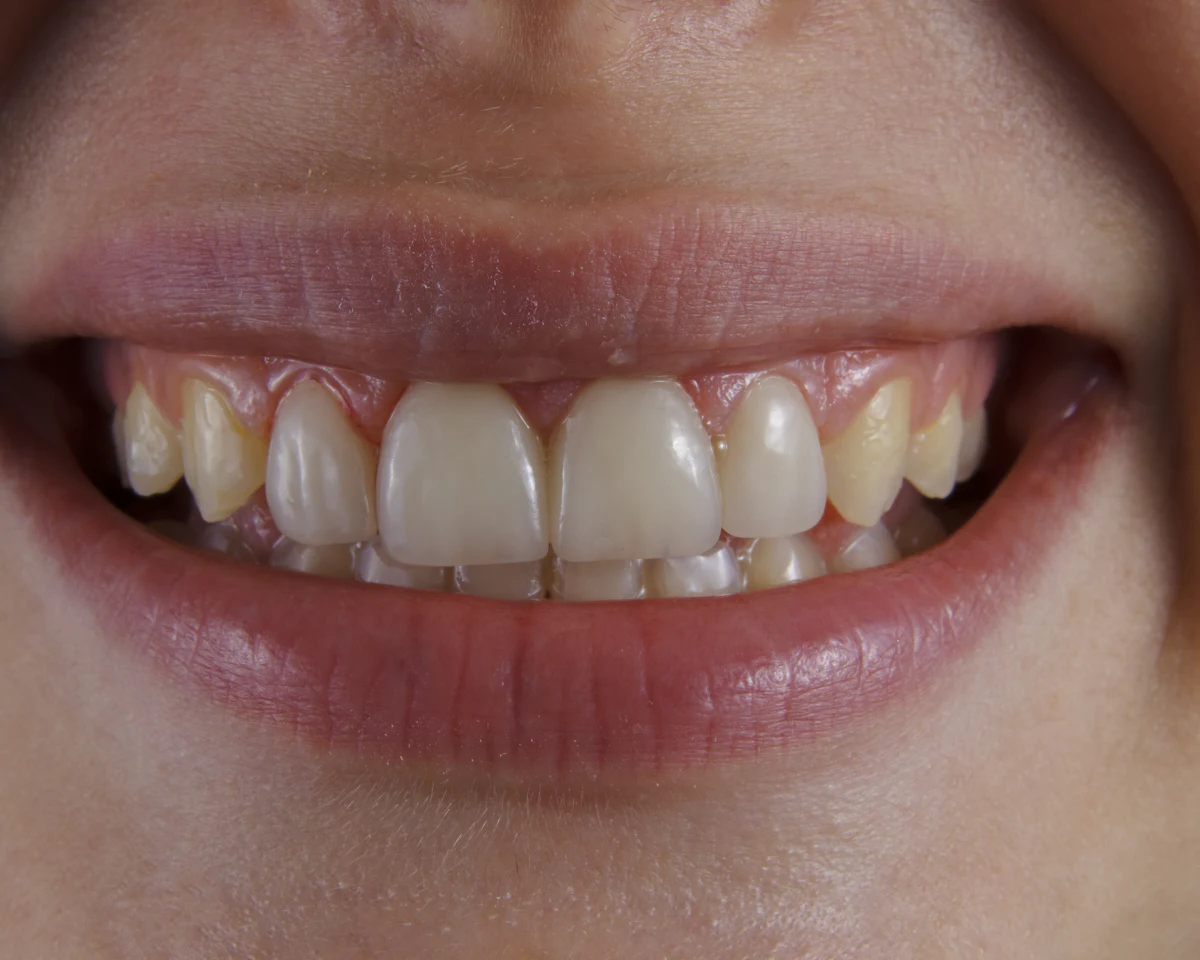
Common Problems
Sensitivity, sore gums, bite problems, chips and an unnatural shade
The Main Cause
Too much tooth removed, too fast, without a written plan
If It Happened to You
Most problems can be assessed, and many can be corrected
Overview
What “Gone Wrong” Usually Means
Search “Turkey teeth gone wrong” and you will find painful photos. Behind most of them is not the country but a handful of avoidable decisions: healthy teeth cut down for crowns, treatment squeezed into a few days, and nobody checking the bite or the gums before permanent work was fitted.
This guide explains the problems patients report most often, why they happen, what to do if you are already dealing with one, and what to ask any clinic — including us — before you book.
The Problems
The Problems Patients Report Most Often
Most complications fall into one of six groups. Knowing which one you are dealing with is the first step to fixing it.
Sensitivity and Nerve Pain
Cutting a tooth down for a crown can irritate or damage the nerve inside it. Some of these teeth later need root canal treatment.
Sore, Bleeding Gums
Crowns with bulky or poorly fitting edges trap plaque at the gum line. That leads to inflammation, bleeding and, over time, gum recession.
Bite and Jaw Problems
If the bite is not checked when new teeth are fitted, they may not meet evenly — causing jaw ache, headaches or chipped ceramic.
Chipped or Loose Veneers
Ceramic chips under heavy or uneven force, especially in people who grind. Veneers can also come loose if they were not bonded to healthy enamel.
An Unnatural “White Wall”
Teeth that are too long, too uniform or too bright for the face — a shade chosen for photos rather than planned around the person.
Implant Complications
Infection or an implant that does not fuse with the bone. The risk rises when bone and gum health were not assessed or healing time was cut short.
Why It Happens
Five Causes Behind Most Cases
These are the patterns behind the stories — and every one of them is avoidable.
No X-Ray, No Written Plan
Treatment starts on the first day, before each tooth has been assessed with imaging and before you have seen a plan in writing.
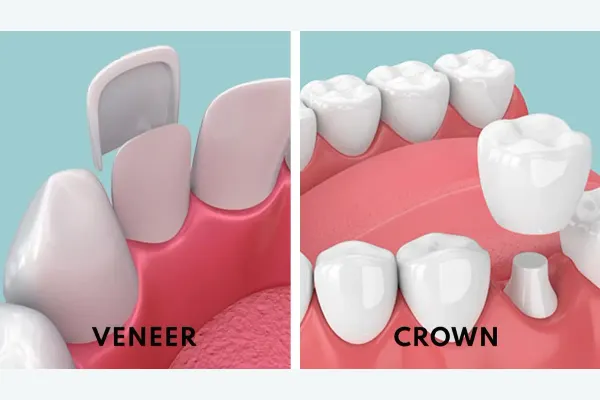
Crowns Instead of Veneers or Bonding
Crowns are the quickest way to build a uniform smile, but they remove far more healthy tooth than a veneer or composite bonding.
Everything in One Short Trip
No time to check fit, shade, bite and comfort before permanent work is cemented.
Problems Treated Out of Order
Veneers or crowns placed over untreated decay, old leaking fillings or inflamed gums.
No Aftercare Route
Once you fly home there is no clear way to report a problem or have it looked at.
If It Has Happened to You
What to Do If Your Turkey Teeth Have Gone Wrong
Most problems can be assessed properly, and many can be corrected without starting again. Work through these in order:
Five steps, in this order
- Do not wait if there is pain or swelling. Pain, swelling or a bad taste around a crown or implant can mean infection. See a dentist near you promptly.
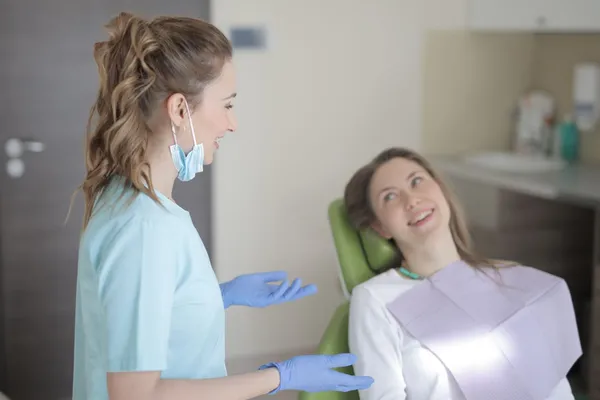
- Get an examination and X-rays at home. A local dentist can check each tooth, the gums and the bite, and tell you what is urgent. UK dentists can and do treat patients who had work done abroad.
- Ask the original clinic for your records. X-rays, the treatment plan, the materials used and, for implants, the brand and system. Your next dentist will need them.
- Contact the clinic that treated you. Send clear photos, describe the problem, and check what documentation and support your treatment included.
- Get a written plan before anything is replaced. Loose crowns can sometimes be re-cemented, a bite adjusted or a single unit remade — not everything has to be redone.
If you would like an independent view, send us your X-ray and photos on WhatsApp. A dentist will review them and tell you honestly what we see, whether or not you are treated here.
Avoiding It
How to Avoid Turkey Teeth Going Wrong
Whichever clinic you choose, these questions separate a careful plan from a rushed one:
- Will I get X-rays and a written, itemised plan before any tooth is touched?
- Does each tooth really need a crown — or would a veneer, bonding or whitening do?
- Which material is used on each tooth, and which implant brand, if any?
- How many days are planned between preparation and fitting, and when is my bite checked?
- Who treats me, and how do I report a problem once I am home?
We answer these in writing for every patient. See Is Turkey Teeth Safe? for how we plan cosmetic work, and Veneers vs Crowns vs Bonding for when each is the right choice.
FAQ
Frequently Asked Questions
-
Can Turkey teeth be fixed?
Often, yes. Depending on the problem, crowns can be re-cemented or remade one at a time, a bite adjusted, gum inflammation treated and chipped veneers repaired or replaced. Teeth that were cut down for crowns will always need a covering, so the aim is usually to replace poor restorations with well-fitting ones.
-
Will UK dentists treat Turkey teeth?
Yes. UK dentists can examine and treat teeth that were restored abroad. Bring any X-rays and treatment records you have — they make the assessment faster and more accurate.
-
Why are my teeth sensitive after crowns?
Some sensitivity for a few days after teeth are prepared is common. Sensitivity that lasts, gets worse or comes with throbbing pain can mean the nerve has been irritated or infected, and should be checked with an X-ray.
-
Can veneers be removed?
They can be replaced, but a tooth that was prepared for a veneer will always need a veneer or similar covering afterwards. That is why the amount of tooth removed at the start matters so much.
-
How do I avoid Turkey teeth going wrong?
Choose a licensed clinic that takes X-rays and gives you a written, itemised plan first, uses veneers or bonding where a crown is not needed, allows enough time for fitting and bite checks, and has a clear aftercare route once you are home.
Related
Related Treatments & Guides

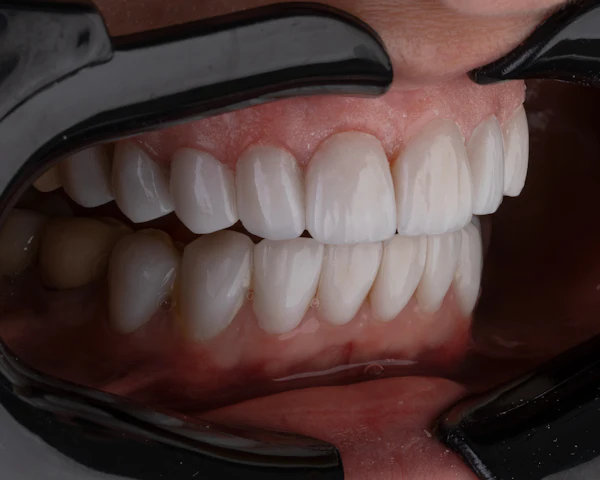
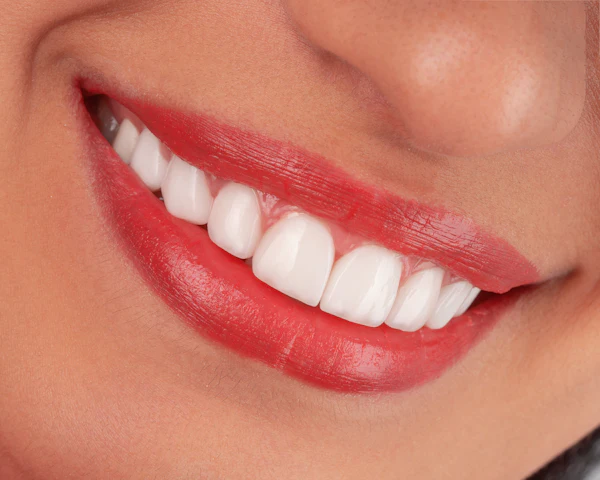
Send us your X-ray and we will tell you where you stand
A dentist reviews it and you get a written plan. No charge, no deposit, and no obligation to travel.