

 Türkçe
 Deutsch
 Svenska
 Norsk
Norsk Русский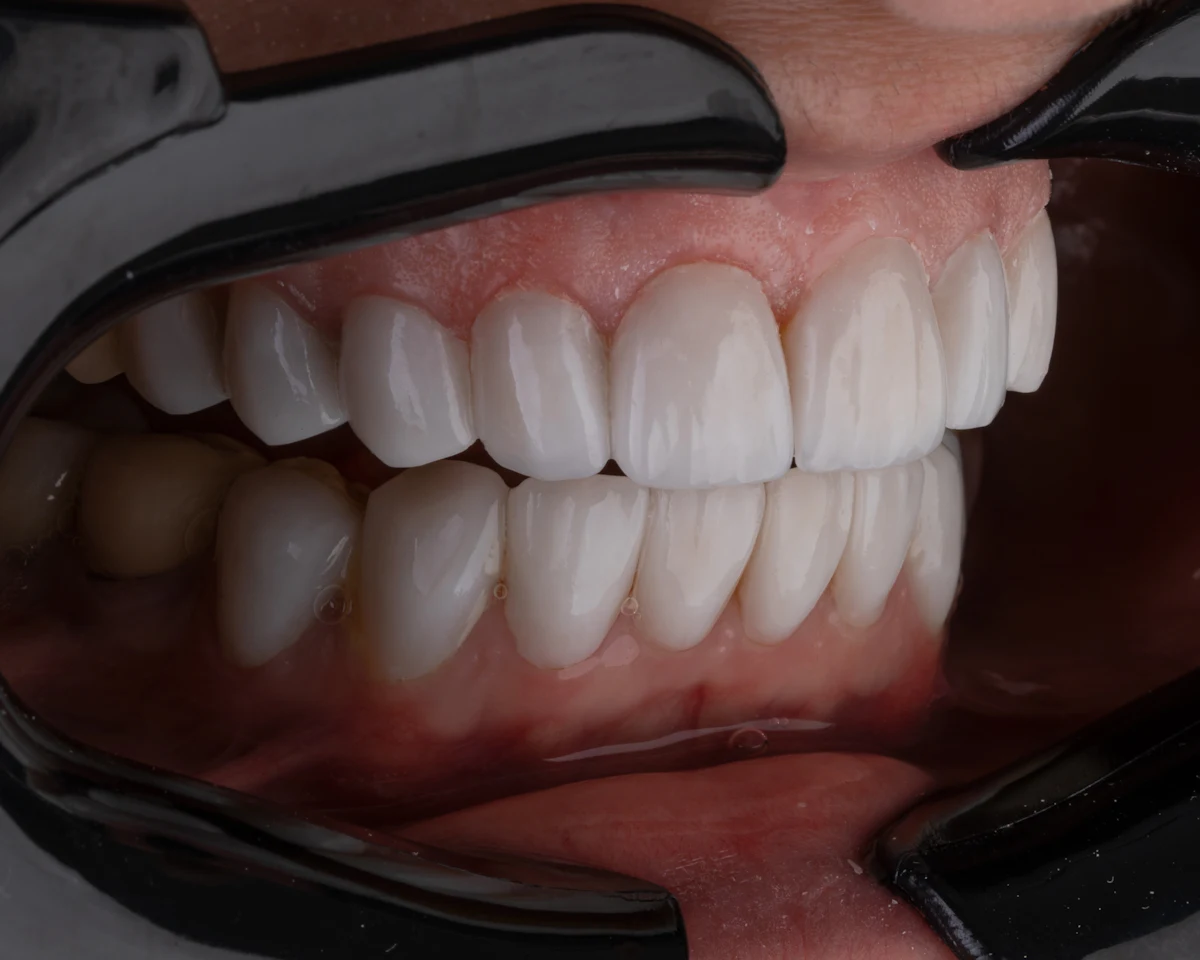
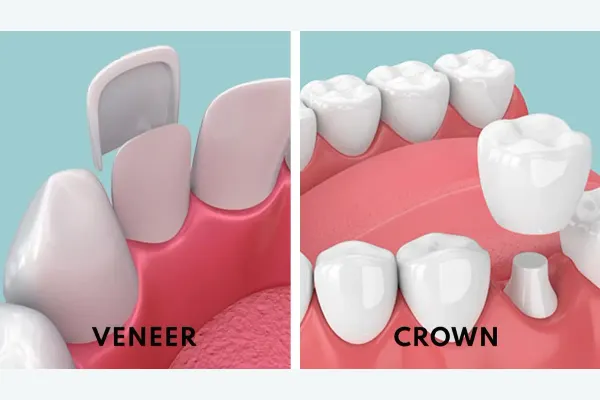
Veneers and Crowns
Around 10–15 years with good care
Composite Bonding
Around 5–7 years
Implants
The implant is long-term; the crown on it is replaced like any crown
The Short Answer
It Depends on What Was Done
“Turkey teeth” is not one treatment. It can mean porcelain veneers, zirconia crowns, composite bonding or implants — and each has a different lifespan. Made well and looked after, porcelain veneers and crowns commonly last around 10–15 years, and composite bonding around 5–7 years.
The country the work was done in does not change those numbers: the same materials are used in the UK and in Turkey. What changes them is how much healthy tooth was kept, how well the restorations fit, your bite, and how well they are looked after.
Typical Lifespans
How Long Each Type of Turkey Teeth Lasts
Typical ranges with good care. They are not guarantees — the same veneer can last twenty years in one mouth and five in another.
| Treatment | Typical lifespan | Most common reason it ends |
|---|---|---|
| Porcelain / E-max veneers | Around 10–15 years | Chipping, staining or decay at the edge |
| Zirconia crowns | Around 10–15 years | Decay at the margin, gum recession or fracture |
| Composite bonding | Around 5–7 years | Staining, wear and chipping |
| Teeth whitening | 1–2 years between top-ups | Natural re-staining from food and drink |
| Crown on a dental implant | Similar to a crown | Wear or chipping of the crown — the implant itself is intended to stay |
For what we document on implant products and zirconia materials, see our guarantee page. For veneers in more detail, read How Long Do Veneers Last?
What Shortens It
What Makes Turkey Teeth Fail Early
If any of these apply to you, mention it before treatment is planned — it may change what is recommended.
Grinding and Clenching
The biggest single factor. Night-time force chips ceramic and stresses the bond. A night guard is strongly advised if you grind.
Too Much Tooth Removed
Veneers bond best to enamel. Teeth cut down heavily for crowns are weaker and more likely to need root canal treatment later.
Poor Fit at the Gum Line
Gaps and bulky edges collect plaque, which leads to decay under the restoration and inflamed gums.
Hygiene at the Margins
The join between tooth and restoration is where decay starts. Brushing, flossing and hygiene visits protect it.
Biting Hard Objects
Ice, pens, nails and packaging. Ceramic is strong under even pressure and brittle under sharp point loads.
Smoking
Stains composite, harms gum health and raises the risk of complications around implants.
Practical
How to Make Them Last Longer
None of this is complicated, and all of it measurably extends the life of cosmetic work:
Wear a Night Guard if You Grind
Have it custom-made rather than bought off the shelf. Ours start from £120.
Keep Hygiene Appointments
A professional clean about every six months protects the gum line and the edges of your restorations.
See a Dentist at Home for Check-Ups
Small problems — a chip, a gap at the margin — are simple to deal with when they are caught early.
Report Problems Early
If something chips, feels loose or becomes sensitive, send us a photo on WhatsApp rather than waiting.
Whiten Before, Not After
Whitening does not lighten ceramic. If you want whiter teeth, whiten first so new work is matched to your final shade.
When They Wear Out
What Happens When Turkey Teeth Need Replacing
Veneers and crowns are replaced, not simply removed: a tooth that was prepared for a restoration will always need a covering. A single veneer or crown can often be replaced on its own, although matching the shade to older neighbouring teeth can take care.
With implants, it is normally the crown on top that is replaced; the implant in the bone is intended to stay. Keep a record of your implant brand and system — any dentist replacing the crown will need it.
FAQ
Frequently Asked Questions
-
Do Turkey teeth last forever?
No. Veneers and crowns are restorations, and all restorations eventually need replacing — typically after around 10–15 years for porcelain and zirconia with good care.
-
Are Turkey teeth permanent?
They are fixed in place rather than removable, but they are not permanent in the sense of lasting a lifetime. Plan for replacement at some point, and for the cost of looking after them.
-
Do crowns from Turkey last as long as UK crowns?
The materials are the same, so a well-planned, well-fitted crown made in Turkey should last as long as one made in the UK. What makes the difference is the preparation, the fit and your aftercare — not the country.
-
Can I get Turkey teeth replaced in the UK?
Yes. Any dentist can replace veneers or crowns. Having your records — X-rays, the materials used and, for implants, the brand and system — makes it much easier.
-
How long does composite bonding last compared with veneers?
Composite bonding typically lasts around 5–7 years and stains more easily; porcelain veneers typically last around 10–15 years.
Related
Related Treatments & Guides


Send us your X-ray and we will tell you where you stand
A dentist reviews it and you get a written plan. No charge, no deposit, and no obligation to travel.