

 Türkçe
 Deutsch
 Svenska
 Norsk
Norsk Русский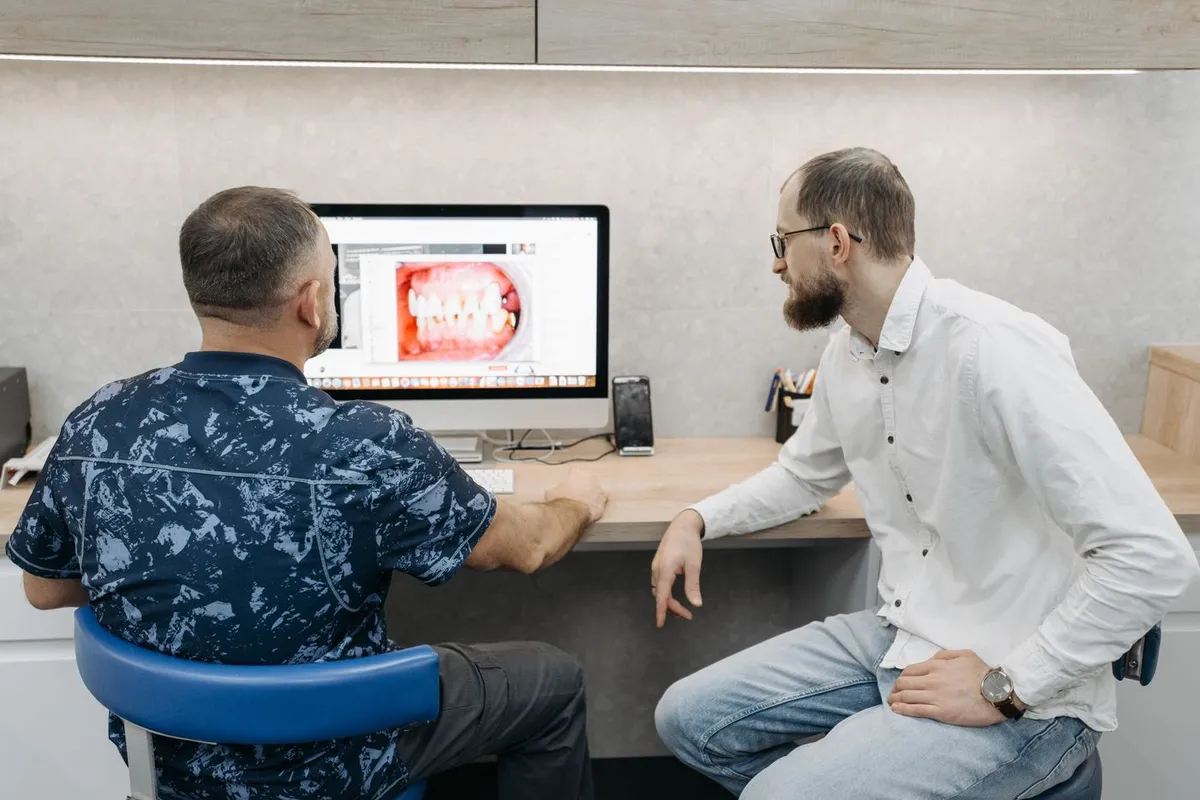
Digital Smile Design: Discussing a Proposed Result
Digital smile design concerns planning and visualisation rather than a treatment in itself. Use this guide to prepare questions about the proposed appearance and how it relates to your dental needs. A preview is a discussion aid, not a promise of an identical result. The smile makeover guide explains the wider treatment journey.
Who This Is For
Anyone nervous about committing to a cosmetic result
What We Cover
How the design and trial smile process works, step by step
Our Approach
You approve the design while it is still reversible
Overview
What Is Digital Smile Design?
Digital smile design is a planning method rather than a treatment. Photographs and video of your face and smile are used to design proposed tooth shapes and proportions digitally, so the result can be evaluated in the context of your whole face — not just tooth by tooth.
Its real value is timing. It moves the important conversations — is this too long, too white, too uniform? — to a point where changing your mind is free, instead of after enamel has been removed.
How It Works
From Photos to Preview
The exact workflow differs between clinics, but the logic is generally the same:
Examination and Records
Clinical examination, X-rays and photographs. Any decay or gum disease is identified first, because cosmetic planning cannot proceed over untreated problems.
Digital Design
Proposed shapes and proportions are designed against your facial reference lines, so the smile is planned around your face rather than in isolation.
Trial Smile
The design is transferred into a temporary mock-up placed over your teeth. You see the proposed shape in your own mouth and can ask for changes.
Approval and Adjustment
Length, width and shade are refined until you are satisfied. This is the stage where changes are easy and cost nothing.
Final Restorations
Only once the design is approved is the definitive work made and fitted, using the approved preview as the reference.
Why It Matters
What It Changes for You
The clinical benefit is mostly about reducing irreversible surprises:
Decisions Before Drilling
You approve the plan while it is still fully reversible. This is the most important safeguard in any cosmetic case.
A Result Suited to Your Face
Designing against facial proportions is what avoids the uniform, oversized look that makes cosmetic work obvious.
A Shared Reference
You, the dentist and the laboratory all work from the same approved design, which reduces misunderstandings about what was agreed.
FAQ
Frequently Asked Questions
- What is digital smile design?
It is a planning approach that uses photographs, video and digital tools to design the proposed smile before treatment starts, so the shape and proportions can be assessed against your face rather than decided at the chair.
- Can I see what my smile will look like beforehand?
In most cases yes. The digital design can be turned into a physical trial smile — a temporary mock-up placed over your teeth — so you can see and approve the shape before any permanent preparation is done.
- Does digital planning mean the treatment is better?
It reduces guesswork and makes it far easier to discuss and adjust the plan before it is irreversible. It does not replace clinical judgement, and it cannot make an unsuitable treatment plan suitable.
- Is a trial smile the same as the final result?
It is a close preview of shape, length and proportion, but it is made from temporary material. The final ceramic will be more refined in colour and surface detail.
- Does it cost extra?
It varies by clinic and by how complex the case is. What matters is that you get to see and approve the design before teeth are prepared — ask how that approval step works in any clinic you are considering.
Related
Related Treatments & Guides

Send us your X-ray and we will tell you where you stand
A dentist reviews it and you get a written plan. No charge, no deposit, and no obligation to travel.